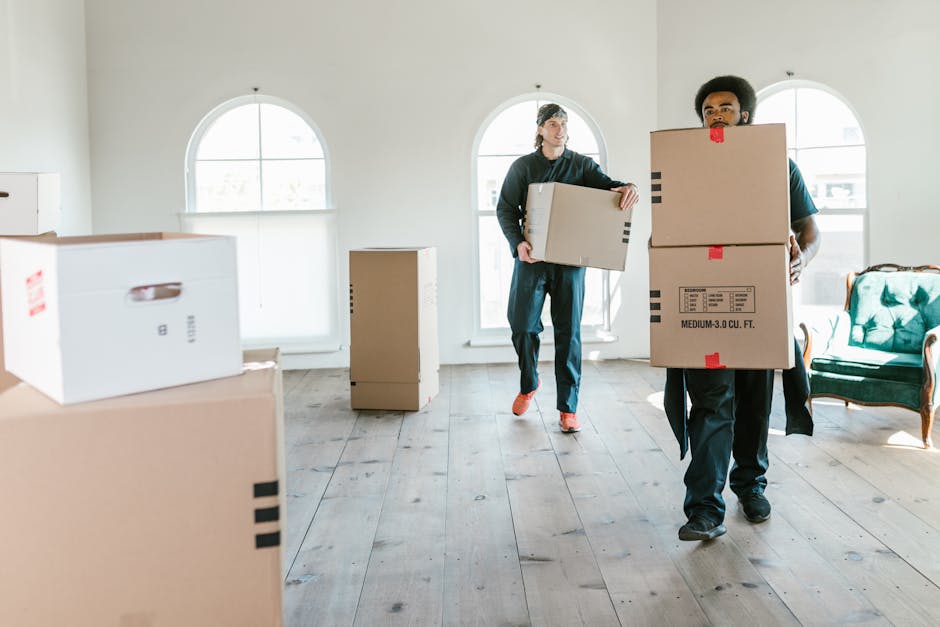
DIY vs Professional Removals: When to Hire Expert Help
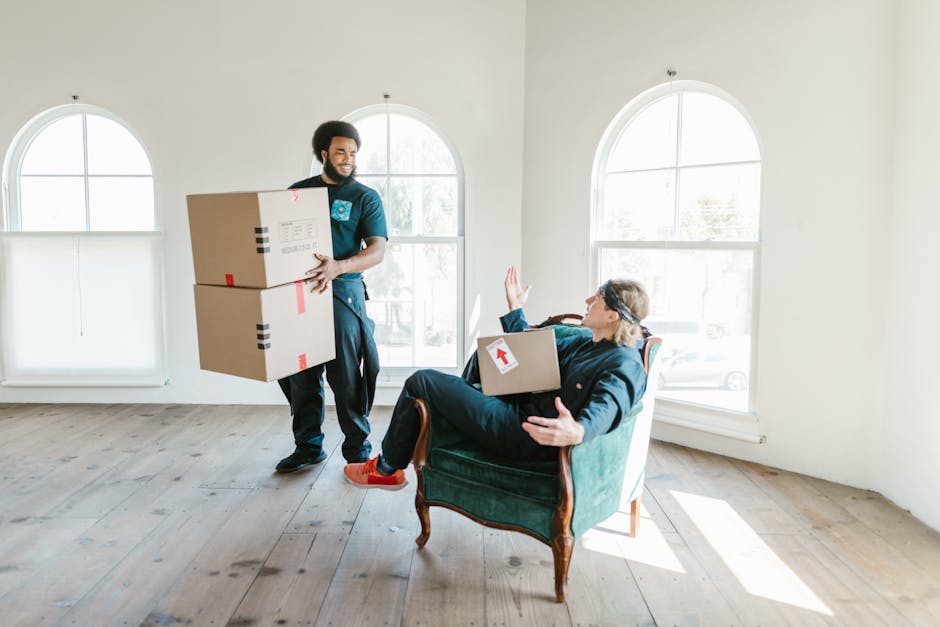
Moving house or relocating a business sounds straightforward right up until the boxes stack up, the sofa won't fit through the hallway, and the van is parked two streets away in the rain. That is usually the moment people start asking the real question: DIY vs Professional Removals: When to Hire Expert Help?
The honest answer is that there is no one-size-fits-all choice. A DIY move can save money and suit smaller loads, but it can also turn into a long, tiring day with more risk than people expect. Professional removals bring structure, speed, safer handling, and a lot less stress. In this guide, we'll walk through the practical differences, the hidden trade-offs, and the situations where expert help is worth every penny. And yes, sometimes the smartest move is simply asking for backup.
Why DIY vs Professional Removals: When to Hire Expert Help Matters
On paper, doing it yourself looks simple. You hire a van, rope in a friend or two, and get the job done in a weekend. But moving is rarely just about transporting stuff. It is about time, access, lifting, packing, parking, protection, and timing everything so the day does not unravel.
This matters because the cheapest option is not always the least expensive in the end. A scratched floor, a broken table leg, a missed handover slot, or a strained back can cost far more than expected. Anyone who has tried to carry a wardrobe down a narrow staircase will know the feeling. You think, this will be fine, and then it very much is not.
Professional removals become especially valuable when the move has moving parts, literally and otherwise: large furniture, multiple rooms, busy roads, limited parking, tight deadlines, or items that need special care. DIY is still sensible in some cases, but the moment the move stops being simple, expert help starts to make more sense.
If you are planning a home move, services such as home moves or house removalists can be a more suitable route than trying to muscle everything through yourself. The same is true for larger commercial relocations, where commercial moves and office relocation services can reduce downtime and keep things orderly.
Table of Contents
- Why DIY vs Professional Removals: When to Hire Expert Help Matters
- How DIY vs Professional Removals: When to Hire Expert Help Works
- Key Benefits and Practical Advantages
- Who This Is For and When It Makes Sense
- Step-by-Step Guidance
- Expert Tips for Better Results
- Common Mistakes to Avoid
- Tools, Resources and Recommendations
- Law, Compliance, Standards, or Best Practice
- Options, Methods, or Comparison Table
- Case Study or Real-World Example
- Practical Checklist
- Conclusion
- Frequently Asked Questions
How DIY vs Professional Removals: When to Hire Expert Help Works
Let's break the two approaches down in plain English.
DIY removals
DIY removals usually mean you organise the vehicle, packing materials, loading, transport, unloading, and any extra help you need. You might hire a van for the day, borrow a trailer, or make several trips in a car and van combination. It gives you control, and if the move is small, that control can feel reassuring.
But control comes with responsibility. You need to think through vehicle size, weight limits, route planning, fuel, timing, protective materials, and whether you can physically move bulky items safely. A DIY move is often less about effort and more about logistics. That's the bit people underestimate.
Professional removals
Professional removals bring trained movers, suitable vehicles, equipment, and a working process. Depending on the job, that might mean a full removal team, a man and van service, a man with van option, or a larger vehicle such as a moving truck or removal truck hire.
The value is not just manpower. It is the sequence: pack, wrap, lift, load, secure, transport, unload. Professional movers tend to work quickly because they have done this before, a lot. They know the awkward bits. The low doorframe. The piano in the corner. The box that should not have been packed so full of books. You get the idea.
What changes the decision
The best choice usually depends on four things:
- Volume - how much needs moving
- Complexity - stairs, access, parking, distance, fragile items
- Time - whether you can spare a whole day or weekend
- Risk tolerance - how much stress, lifting, and uncertainty you can realistically handle
A small flat with a few boxes is a different story from a three-bedroom house with appliances, wardrobes, and garden furniture. Likewise, a simple office clear-out is different from a full business move with equipment, desks, and a deadline tied to Monday morning trading.
Key Benefits and Practical Advantages
There are good reasons people choose expert help, and not all of them are dramatic. Sometimes the biggest benefit is just a calmer day.
1. Less physical strain
Heavy lifting is tiring even when everything goes smoothly. Add stairs, tight corners, or wet weather, and the strain builds fast. Professional movers are used to handling awkward items and know how to distribute weight, use straps, and move things without improvising every five minutes.
2. Better protection for furniture and property
Scratched walls, crushed boxes, and chipped doors are common DIY headaches. Good movers usually bring blankets, straps, trolleys, and packing support that reduce damage. That matters when you are moving furniture that has real value, whether financial or sentimental. A dining table inherited from your nan is not something you want to test against a narrow hallway.
3. Faster moving day
Speed is a real advantage. A professional team can often do in one organised run what might take a DIY mover half a day longer and two extra journeys. That can help if your access window is limited or your handover times are tight.
4. Fewer surprises
Moving experts spot issues early. They notice whether a sofa needs dismantling, whether a fridge should be drained ahead of time, or whether the route to the van is going to be awkward. That early judgement is worth a lot.
5. Better for business continuity
For companies, delays are expensive. Office relocation is not only about getting desks from A to B. It is about keeping staff productive, protecting equipment, and reducing downtime. If you are moving an office, a specialist like office relocation services can be a far safer bet than ad hoc lifting by whoever happens to be free.
6. Optional extras that save time
Many people do not need full packing support, but some do. Services like packing and unpacking services can take a huge chunk of pressure off the move, especially if children, work, or health issues make packing a nightmare. Truth be told, most people only realise how useful this is once the labels are already all over the place.
Who This Is For and When It Makes Sense
This topic is not really about "good" movers versus "bad" movers. It is about fit. Different moves need different levels of support.
DIY makes sense when:
- You are moving a small amount of furniture or boxes
- The property is easy to access
- You have help from reliable, physically able friends or family
- The journey is short
- You have time to do several trips if needed
Professional removals make more sense when:
- You have bulky, fragile, or valuable items
- There are stairs, lifts, or awkward access points
- You need the move completed within a tight window
- You cannot risk injury or damage
- You are moving a whole household or a business base
- You simply do not want the day to become a marathon
There is no shame in hiring help. In fact, for many people it is the practical choice. If you already know the move is going to be physically demanding or emotionally draining, a professional team can take a lot of the weight off your shoulders. Sometimes literally.
Step-by-Step Guidance
If you are still deciding between doing it yourself and hiring expert help, use a simple decision process.
- List everything that needs moving. Not just boxes. Include furniture, appliances, outdoor items, fragile objects, and anything awkwardly shaped.
- Check access at both ends. Think stairs, parking, lift access, narrow doors, loading points, and distance from the property to the vehicle.
- Estimate the real time needed. Packing, dismantling, loading, transport, unloading, and reassembly all take longer than people expect.
- Assess risk. Consider injury risk, breakage risk, weather, traffic, and whether anything is especially heavy or delicate.
- Match the move to the service level. Small local jobs may suit a man and van arrangement. Larger or more complex moves may call for a bigger vehicle or a full removal team.
- Compare the full cost. Look beyond the headline price. Add van hire, fuel, packaging, possible damage, parking, and your own time.
- Choose the option that reduces stress the most. That is often the factor people value most, even if they do not say it out loud at first.
A useful shortcut: if you find yourself needing to make a complicated spreadsheet just to move a sofa, professional help is probably worth considering.
Expert Tips for Better Results
Here are the practical things that tend to make the biggest difference.
Start with the awkward items
Work out what is hardest to move before you pack anything else. Sofas, mattresses, wardrobes, white goods, large desks, and mirrors often dictate the rest of the plan. If these cannot be moved safely, the whole job changes.
Measure doors, hallways, and vehicles
It sounds obvious, but it saves a lot of grief. Measure the widest points and compare them with the item dimensions. A quick check can stop a lot of unpleasant guesswork on moving day.
Use the right service level
For smaller local jobs, a flexible man with van option can be ideal. For bigger loads or heavier items, a larger vehicle may be the safer choice. If you need only a few items picked up or delivered, even furniture pick up can be more efficient than trying to build a whole move around a couple of bulky pieces.
Pack with lifting in mind
Heavy items should go into smaller boxes. Light items can fill larger boxes. This is one of those simple rules that people ignore and then regret around 11:30 in the morning when the box of novels feels like a small car battery.
Keep essentials separate
Prepare a clearly marked bag or box for keys, chargers, medication, snacks, paperwork, and a change of clothes. You do not want to be hunting through tape and bubble wrap at 8 p.m. while trying to find the kettle.
Ask about insurance and safety practices
If you are using a professional mover, it is sensible to ask how they handle risk, item protection, and transport safety. That kind of conversation should feel normal, not awkward. It is your belongings, after all. You can also review insurance and safety information alongside the provider's health and safety policy.
Common Mistakes to Avoid
Most moving problems are boringly predictable. That is the annoying part. The good news is they are avoidable.
- Underestimating the load. People always have more stuff than they think.
- Booking a van that is too small. This causes extra trips, delays, and stress.
- Ignoring access issues. Parking, lift restrictions, and narrow stairways matter more than people assume.
- Packing too late. Last-minute packing leads to damage and chaos.
- Putting too much in one box. It becomes unliftable, which is a problem, obviously.
- Forgetting protective materials. Blankets, tape, wraps, and straps are not optional when items matter.
- Assuming friends can do a full move safely. Good intentions are not the same as moving experience.
- Not checking payment terms in advance. Clarity around deposits, timing, and what is included is always helpful. A quick look at payment and security and terms and conditions can prevent misunderstandings later.
A small, practical warning: if something feels too heavy to lift comfortably while standing still, it is probably too heavy to move down stairs while balancing a box trolley. Common sense, but worth saying.
Tools, Resources and Recommendations
You do not need a warehouse full of gear to move well. You do need the right basics.
Useful DIY moving tools
- Strong boxes in mixed sizes
- Packing tape and tape dispenser
- Protective wrap or blankets
- Marker pens and labels
- Furniture sliders
- Straps or bungees for securing loads
- Dolly or hand truck for heavier items
- Gloves with grip
When professional equipment helps
Professional services often bring equipment that most households do not own: moving blankets, specialist dollies, load straps, ramps, and the right vehicle for the job. If you are hiring a larger vehicle, something like moving truck or removal truck hire may be the better option than squeezing everything into a small van and hoping for the best.
Useful planning habits
- Pack room by room
- Label the top and sides of each box
- Photograph cable setups before unplugging anything
- Keep screws and fittings in labelled bags
- Reserve the right vehicle size early
For households that want a little more structure, a service-led move through home moves can be a clean way to stay organised without carrying the whole load yourself.
Law, Compliance, Standards, or Best Practice
Moving is not usually a highly regulated activity for the customer, but there are still sensible standards and responsibilities to keep in mind.
First, safety matters. Anyone doing heavy lifting should avoid pushing beyond their limits. That applies whether you are moving yourself or using helpers. Good movers tend to follow safer lifting practices, load vehicles properly, and reduce the chance of damage or injury. It is worth asking how that is handled.
Second, if you are using a professional service, basic expectations around clear terms, secure payment handling, and property care should be set out properly. That does not mean every move has a dramatic legal dimension. It just means clarity is better than assumptions. Always read the relevant terms before booking.
Third, for businesses, there can be extra practical considerations around data, equipment, access, and continuity. Office relocation planning should account for confidential materials, IT equipment, and the timing of the move so staff are not left stranded. This is where a dedicated commercial mover can help more than a general DIY approach.
Fourth, recycling and disposal should be handled responsibly. If you are getting rid of unwanted items, consider whether they can be reused, donated, or responsibly recycled rather than dumped in a rush. A service with a sustainability focus can support that approach, and it is usually better for everyone. You can explore recycling and sustainability information if responsible disposal is part of the move.
Options, Methods, or Comparison Table
Here is a simple comparison to help you decide what level of support fits your move.
| Option | Best for | Pros | Cons |
|---|---|---|---|
| DIY move | Small loads, short distances, easy access | Lower upfront cost, full control | More lifting, more time, higher personal risk |
| Man and van | Smaller home moves, single bulky items, local transport | Flexible, often cost-effective, less effort than DIY | May not suit very large or complex moves |
| Full removal service | Large households, heavy furniture, tight deadlines | Fast, organised, less stress, less physical strain | Higher cost than DIY |
| Truck hire or larger vehicle | High-volume moves, office relocations, bigger loads | More capacity, fewer trips | Needs careful planning and loading |
A simple rule of thumb: if the move is small, DIY may be fine. If the move is awkward, heavy, or time-sensitive, expert help starts to look much better. Not glamorous, maybe. But practical.
Case Study or Real-World Example
Imagine a couple moving from a one-bedroom flat into a terrace house on a busy street. At first, they think it will be a straightforward DIY job. Then they notice the parking restrictions, the narrow staircase, and the large sofa that barely clears the hallway bend. By the time they have borrowed a van and convinced two friends to help, the day has grown legs.
They could still do it themselves, of course. But now the move involves timing the vehicle, protecting the walls, finding somewhere legal to stop, and lifting heavy items after a long drive. That is the point where a professional option becomes less like a luxury and more like sensible planning.
In a similar office move, the pressure is different but the logic is the same. Desks, monitors, filing, and boxes of stock or paperwork all need moving in an orderly sequence. A small delay can ripple through the working day. Using commercial moves or office relocation services helps reduce that mess. You do not want staff standing around with keyboards in hand, waiting for someone to find a trolley.
The lesson? The best moving option is not the one that sounds cheapest at the start. It is the one that leaves you with your energy, your furniture, and your sanity intact.
Practical Checklist
Use this checklist before deciding whether to do it yourself or hire help.
- Have I measured the largest items?
- Do I know where the van can park at both addresses?
- Is there a lift, or only stairs?
- Will I need tools to dismantle furniture?
- Are any items fragile, valuable, or awkwardly shaped?
- How many people will realistically help?
- Can I finish the move in one day?
- Do I have packing materials and protective covers?
- Have I checked the booking terms and payment details?
- Would hiring help reduce risk, injury, or disruption?
If you answer "no" to several of these, that is not a failure. It is useful information. It means a professional option may be the better fit.
Conclusion
Choosing between DIY and professional removals is really about deciding where you want the effort to go. Do you want to spend your time organising vehicles, lifting furniture, and troubleshooting access? Or would you rather hand the hard parts to people who do this every day?
DIY works best for smaller, simpler moves where the risk is low and the load is manageable. Professional help makes more sense when the move is large, awkward, time-sensitive, or simply too important to leave to chance. In many cases, a mixed approach works well too: you pack the easy items yourself and bring in expert help for the heavy lifting, transport, or unpacking.
There is no medal for making moving day harder than it needs to be. Honestly, there is enough going on already. Choose the option that fits the job, protects your belongings, and keeps the day moving in the right direction.
Get a free quote today and see how much you can save.
If you want to understand more about the company behind these services, you can also learn more on the about us page or get in touch through the contact us page.
Frequently Asked Questions
Is DIY removal cheaper than hiring professional movers?
Usually, DIY looks cheaper at first because you avoid the service fee. But once you add van hire, fuel, boxes, time, and the risk of damage or extra trips, the gap can narrow quickly. For small moves, DIY may still win on cost. For larger or more complex moves, professional help often delivers better value.
When is it worth hiring a man and van service?
A man and van service is often a good middle ground for small to medium moves, single-item transport, and local jobs where you want help without booking a full removal team. If you only have a few bulky items or a modest flat move, it can be a very practical option.
How do I know if my move is too big for DIY?
If you have several heavy furniture items, limited parking, stairs, fragile belongings, or a tight deadline, DIY may be more trouble than it is worth. A good test is whether you can realistically lift, load, transport, and unload everything safely with the people and equipment you have.
Do professional movers help with packing too?
Many do, and packing support can be a huge relief when you are short on time or energy. Services such as packing and unpacking can make the whole process smoother, especially if you are moving a full household or a busy office.
What should I ask before booking removals?
Ask what is included, what vehicle will be used, how they handle bulky items, whether packing materials are provided, how payment works, and what happens if access is difficult on the day. It is also sensible to ask about insurance and safety processes.
Can I combine DIY packing with professional transport?
Yes, and this is a very common approach. Many people pack their own boxes but hire help for lifting, loading, and transport. It can be a smart way to save money without taking on the hardest part of the move.
What if I only need to move one or two items?
If it is just a sofa, a bed, or another bulky item, a furniture pick-up service can be much easier than arranging a full move. It saves time and avoids the hassle of trying to squeeze large items into an unsuitable vehicle.
Are professional removals better for office moves?
In most cases, yes. Office moves usually involve time pressure, equipment, paperwork, and the need to reduce downtime. A specialist commercial or office relocation service is generally better suited than a pure DIY approach.
How far in advance should I arrange help?
As early as you can, especially if you are moving at a busy time of year or have a fixed completion date. Early booking gives you more choice, reduces stress, and makes it easier to plan access, parking, and packing.
What are the biggest risks of doing a move myself?
The main risks are injury, damage to items or property, underestimating the time needed, and discovering too late that the vehicle is too small. People also often overlook how tiring moving is, especially when the weather turns or the route is awkward.
How do I choose between a full removal team and truck hire?
If you need hands-on help with lifting, loading, and unloading, a full removal service is usually better. If you mainly need transport capacity and can manage the labour yourself, truck hire may be enough. Think about where the real bottleneck is: labour, vehicle size, or both.
Where can I check pricing or get a quote?
It is best to review the provider's pricing information first so you understand what affects the final cost. You can also use the pricing and quotes page to start that conversation in a more informed way.