Same-Day Move Myths: What's Real and What's Risky
Same-day moving sounds simple on paper: ring in the morning, pack a van, and be in the new place by evening. In real life, though, it can be a tidy solution or a slightly chaotic sprint, depending on what you're moving, how far, and how prepared you are. That's where the conversation around Same-Day Move Myths: What's Real and What's Risky gets useful. Some ideas are genuinely true. Others are a bit too optimistic, and a few are just plain risky.
In this guide, we'll separate the myths from the reality, explain what same-day removals can do well, and show you where people tend to trip up. If you're weighing up a quick house move, a flat clearance, or a short-notice business relocation, this will help you decide whether a fast turnaround is sensible or whether it could become a stressful headache by 4 p.m. Let's face it, no one wants to be hunting for a kettle in a cardboard box while the rain starts outside.
Why Same-Day Move Myths Matter
Same-day moves sit in a tricky space between convenience and risk. The myth is usually that a fast move is always cheaper, always easier, and always possible if you just "get someone with a van." Reality is more nuanced. Timing, access, volume, packing quality, parking, lifting difficulty, and whether you have keys in hand all matter. Quite a lot, actually.
Why does this matter? Because false confidence creates avoidable problems. People sometimes underestimate how long dismantling furniture takes, how awkward stairs can be, or how quickly a small delay snowballs. A move that starts as "just a couple of hours" can turn into a long day if the sofa won't fit through the door or if the loading bay is already occupied. That's not fearmongering; it's just how moving works.
For homes, the stakes are emotional as much as practical. For businesses, the stakes are downtime, missed deliveries, and staff trying to work around stacked boxes. Even a small same-day job benefits from sober planning. If you need extra support, services such as home moves, house removalists, or commercial moves can be a better fit than trying to improvise under pressure.
How Same-Day Move Myths: What's Real and What's Risky Works
A same-day move is essentially a short-notice relocation completed within one day, or at least started and finished on the same day. That can mean a full household move, a partial load, a single bulky item, or a business relocation with only the essentials moving first. The process itself is not mysterious, but it does rely on a few things going right.
First, the inventory has to be realistic. If you say "a few boxes" but actually mean a shed's worth of belongings, the plan falls apart quickly. Second, the route and access need to be workable. A top-floor flat with narrow stairs is a very different proposition from a ground-floor pickup with a wide drive. Third, the collection and delivery windows need to be tight but sensible. A same-day move is a coordination exercise, not magic.
In practice, reputable operators will usually ask questions about:
- what needs moving and how much of it there is
- pickup and drop-off addresses
- stairs, lifts, parking, or access restrictions
- fragile or high-value items
- whether packing is already done
- how soon the keys, codes, or access permissions will be available
If any of those details are vague, the move becomes guesswork. And guesswork is where same-day myths tend to be born.
Key Benefits and Practical Advantages
To be fair, same-day moving is popular for good reasons. It solves genuine problems. If your handover date changed, your lease ended earlier than planned, or you simply need something moved before a deadline, a fast turnaround can be a relief. Not every move has the luxury of a long lead time.
The strongest benefits are usually practical:
- Speed: You reduce the time spent living between homes or between office setups.
- Less disruption: One clean, focused move can be easier than stretching it over several days.
- Fewer handovers: You may avoid storage, multiple transport runs, or repeated loading.
- Better for urgent situations: Short notice housing changes, end-of-tenancy deadlines, or office access changes are easier to manage.
- Simple item transport: For a sofa, bed, appliance, or furniture pickup, same-day collection can be ideal.
There's also a psychological benefit people don't always mention: once the move is done, it's done. No lingering pile of boxes in the hallway for three more days. No half-finished logistics hanging over you. That can be worth a lot.
If the move is more complex, adding packing and unpacking services or using a larger vehicle through removal truck hire can make the whole process much smoother.
Who This Is For and When It Makes Sense
Same-day moves are not for everyone, and that's perfectly fine. The best fit is usually someone with a manageable volume of items and a clear plan. Think: a one-bedroom flat, a small office, one or two bulky items, or a time-sensitive collection where the items are already packed and ready.
It often makes sense for:
- people with sudden changes to moving dates
- tenants who need to vacate quickly
- landlords or agents arranging a last-minute collection
- small businesses shifting stock or workstations
- customers needing urgent furniture removal or pickup
It makes less sense when:
- you still need to sort, declutter, and pack everything
- you're moving from a difficult access property with a lot of furniture
- the delivery location is far away and traffic is uncertain
- you have fragile, valuable, or specialist items that need careful handling
There's a fine line between efficient and frantic. If you feel like you're sprinting before the plan even starts, it may be worth slowing down and asking whether a same-day move is actually the best option.
Step-by-Step Guidance
If you want the move to go well, structure beats optimism. Every time. Here's a practical sequence that works better than winging it.
- Confirm what must move today. Separate essentials from non-essentials. Keep the list brutally honest.
- Check access at both ends. Measure doorways, think about stairs, and note parking constraints. It sounds basic, but this is where many delays start.
- Pack the non-negotiables first. Documents, chargers, medication, keys, and a change of clothes should be ready before the vehicle arrives.
- Protect fragile items properly. Use blankets, bubble wrap, sturdy boxes, and clear labelling. A newspaper-wrapped lamp looks resourceful until it isn't.
- Disassemble only what you can reassemble easily. Beds, tables, and modular shelving may need tools and time. Don't start too late in the day.
- Keep a clear loading path. Hallways, stairwells, and doorways should be free of clutter.
- Confirm timing in writing. Even a simple message confirming collection and delivery windows helps avoid confusion.
- Do a final sweep before departure. Check cupboards, behind doors, under beds, and in the loft or shed. People forget things in the most ordinary places.
If you're moving a business or office, the same logic applies, but with more pressure around equipment, files, and downtime. Services like office relocation services can help reduce disruption. For heavier or larger loads, a moving truck may be a better fit than trying to squeeze everything into something too small.
Expert Tips for Better Results
Here's the part where small decisions make a big difference. In our experience, same-day moving works best when people stop trying to be heroic and start being organised.
Tip one: separate "can move now" from "can move later." If the wardrobe is empty but the drawers are not, the delay will show itself immediately. Same for kitchen items. A half-packed kitchen usually takes longer than people expect, especially with awkward, fragile bits clinking around in the sink.
Tip two: choose the right kind of support. A flexible man and van arrangement is often ideal for smaller, simpler jobs, while man with van searches usually point to the same basic need: short-notice transport with loading help. For larger or heavier domestic jobs, a bigger vehicle may be a better answer.
Tip three: keep one "first night" bag with you. Don't let essentials vanish into the back of the vehicle. Tea bags, kettle, phone charger, toiletries, bedding, and pet items should be easy to find the moment you arrive.
Tip four: ask about insurance and handling before the move starts. You don't need a lecture, just a clear explanation of how items are protected and what happens if something goes wrong. A trustworthy provider should be able to talk plainly about insurance and safety.
Tip five: if waste or unwanted furniture is part of the job, plan for it separately. Not everything should be loaded and moved. Sometimes a clean break is better, and a service such as furniture pick up can help clear the clutter without making the move more complicated.
And one slightly unglamorous truth: the fastest move is usually the one that was packed properly yesterday. That's the bit nobody wants to hear. Yet there it is.
Common Mistakes to Avoid
Most same-day move problems are not dramatic, just preventable. The trouble is, they look small until they add up.
- Underestimating volume: "Just a few things" often turns into more than the vehicle can comfortably hold.
- Leaving packing until the morning: That's how stress arrives early and leaves late.
- Ignoring access details: No parking, narrow stairs, and shared entrances can all slow the job down.
- Forgetting to measure large items: Sofas and wardrobes are excellent at looking reasonable right up until the doorway.
- Not separating essentials: People then spend the first evening hunting for toothbrushes and chargers.
- Choosing on price alone: Cheap can become expensive if the job needs a second trip or hurried handling.
- Assuming every provider handles every job: Some are better suited to smaller loads, some to bigger removals, and some to office work.
One more thing: don't rely on memory for every detail. Write it down. Your future self, tired and slightly hungry, will thank you.
Tools, Resources and Recommendations
You do not need fancy kit to make a same-day move work. But the right basics help a lot. The best "resources" are often simple, practical, and boring in the best possible way.
- Strong boxes: Use uniform sizes where possible so they stack safely.
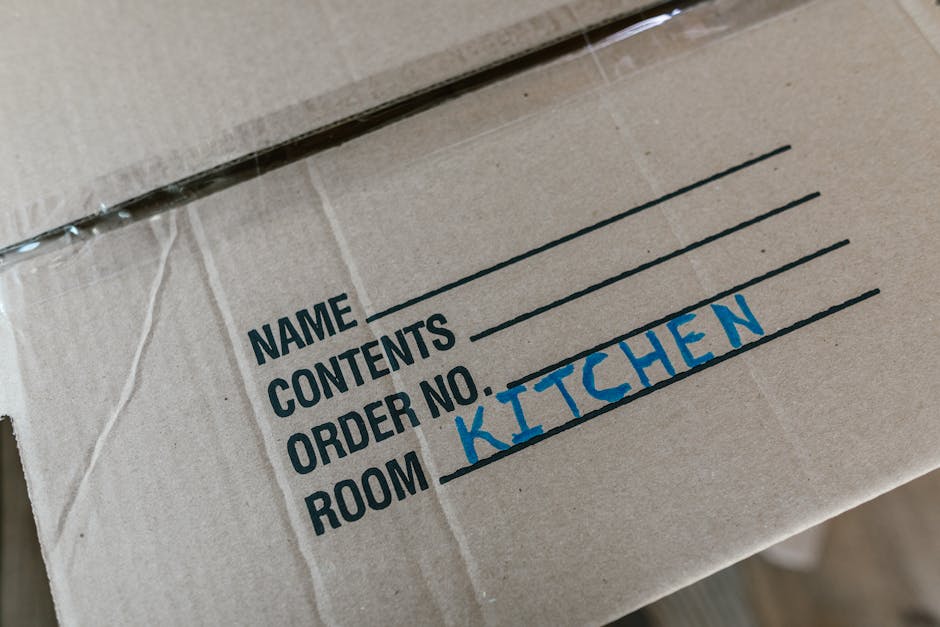
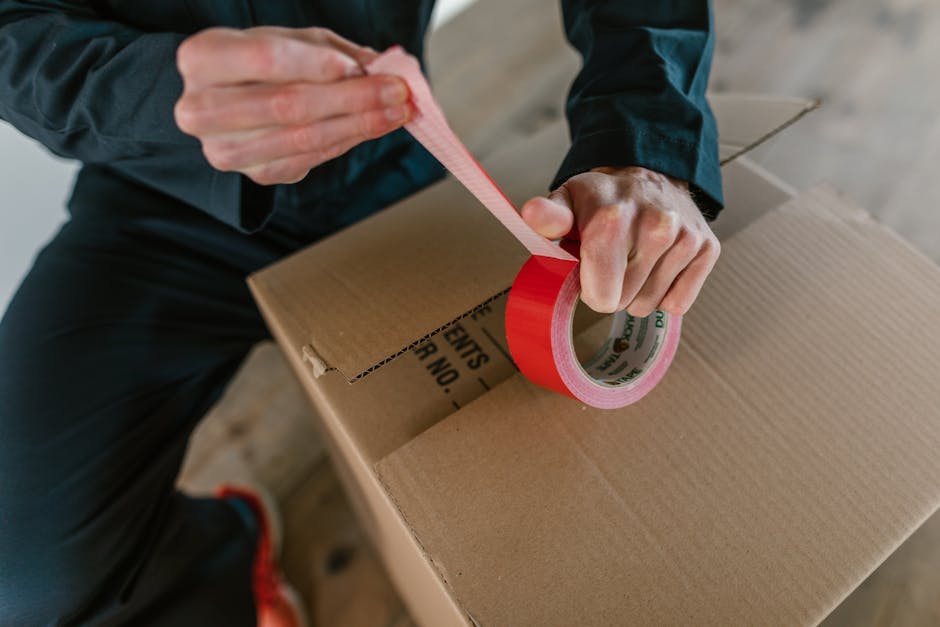
- Packing tape and markers: Fast labelling saves time later.
- Furniture blankets and straps: They reduce scrapes, rattling, and sliding during transit.
- Trolley or sack truck: Useful for heavy boxes, appliances, or business equipment.
- Tool kit: Keep screwdrivers, Allen keys, and a tape measure within reach.
- Inventory note: A basic written list is enough to keep track of what is moving.
When comparing help, think beyond the headline service. You may need a larger vehicle, or perhaps moving truck capacity rather than a smaller setup. If the move is more substantial, the right equipment matters more than a quick promise.
For customers focused on price clarity, it also helps to review pricing and quotes carefully so you understand what is included before anything is loaded. That simple habit prevents awkwardness later. Nobody enjoys surprise extras, not on moving day and not anywhere else.
Law, Compliance, Standards, or Best Practice
Same-day moving is not usually about formal legal thresholds, but best practice still matters. In the UK, moving safely means taking reasonable care of people, property, and access routes. If a job involves stairs, shared corridors, business premises, or public parking, the practical duty is to avoid damage and prevent unnecessary risk.
Good operators tend to follow a few common-sense standards:
- they ask about access and hazards before arrival
- they handle items with care and suitable equipment
- they clarify insurance, responsibility, and exclusions in plain language
- they respect building rules, neighbour access, and parking restrictions
- they keep payment terms and service expectations transparent
If you are moving into or out of a managed building, check any move-in rules, lift booking requirements, or loading bay conditions early. These are not dramatic legal issues, but they can ruin a tight schedule if ignored. For a clearer overview of business terms and customer responsibilities, terms and conditions are worth reading before you commit.
There's also a practical sustainability angle. Reusing packing materials, avoiding unnecessary trips, and disposing of unwanted goods responsibly can reduce waste. If that matters to you, have a look at recycling and sustainability as part of your move planning.
Options, Methods, or Comparison Table
Different move types suit different levels of urgency. Here's a simple comparison to help you choose realistically.
| Option | Best for | Strengths | Risk level |
|---|---|---|---|
| Same-day small move | Few boxes, a bed, or a small flat | Fast, flexible, simple to coordinate | Low to medium |
| Same-day larger move | Heavier household or office loads | Can still work if access and packing are well managed | Medium to high |
| Staged move | People with lots of belongings or tricky access | Less pressure, more control, fewer surprises | Lower overall risk |
| Professional packing plus transport | Busy households, fragile items, short notice relocations | Better organisation, less breakage, easier timeline | Lower to medium |
If you're not sure where your move fits, start by asking one blunt question: could this realistically be done with the people, vehicle, and time available today? If the answer is "maybe, sort of, hopefully," then a slightly longer plan is probably safer.
Case Study or Real-World Example
Here's a realistic example. A couple moving out of a one-bedroom flat in London gets notice that the new keys are ready earlier than expected. They have already packed most belongings, but the bed, mattress, a dining table, and about a dozen boxes still need to go. Parking is tight, but manageable. The lift is booked. The route between the two properties is short. In that situation, a same-day move is sensible.
Now compare that with a similar couple who have not packed, still need to sort clothes, kitchenware, and storage items, and also have to move from a second-floor flat with no lift. Same-day is suddenly much riskier. The job might still be possible, but the margin for error disappears fast. That's where people feel the stress in their shoulders and, honestly, in their patience.
The difference is not luck. It's preparation.
A similar pattern appears in commercial moves. A small office relocating a few desks, monitors, and archive boxes can often move quickly if access is clear and staff are ready. But if the office still needs sorting, cable labelling, and equipment shutdown, it's better to plan properly rather than push everything into one rushed afternoon.
Practical Checklist
Use this checklist before you commit to a same-day move. It's simple, but it catches the most common problems.
- Have you confirmed exactly what is moving today?
- Are the pickup and delivery addresses correct and complete?
- Do you know whether parking or access might be tricky?
- Are fragile items packed and labelled clearly?
- Have you separated essentials for the first night or first workday?
- Do any large items need dismantling before loading?
- Have you checked whether the vehicle size is suitable?
- Have you reviewed the service details and payment terms?
- Is there a backup plan if timings change?
- Have you told anyone else involved so they know the schedule?
Expert summary: A same-day move is usually safest when the load is modest, packing is already done, access is straightforward, and everyone involved knows the timing. The bigger the unknowns, the more the risk climbs.
Get a free quote today and see how much you can save.
Conclusion
Same-day moving is not a scam, and it is not a miracle either. The myths tend to overpromise on speed and underestimate the planning needed to do the job properly. What's real is that short-notice moves can absolutely work when the load is right, access is clear, and the packing is under control. What's risky is assuming everything will somehow sort itself out once the van arrives.
If you remember just one thing, make it this: a same-day move should reduce stress, not just compress it into fewer hours. When the plan is honest, the result is usually much calmer. And calm is underrated. Very underrated, in fact.
A little preparation goes a long way, and a sensible move always feels better than a rushed one.
Frequently Asked Questions
Is a same-day move actually realistic for most people?
It can be, but only if the volume is manageable and the move is well prepared. A small flat, a few key items, or a short-notice collection is much more realistic than a full house packed at the last minute.
What is the biggest myth about same-day moving?
The biggest myth is that speed automatically means simplicity. In reality, same-day moves still need planning, accurate information, and the right vehicle size.
What makes a same-day move risky?
Risk rises when packing is incomplete, access is difficult, furniture is bulky, or the timing is uncertain. The more unknowns you have, the more likely delays become.
Can I move on the same day if I have not packed yet?
Sometimes, but it is usually a bad idea. Unpacked homes take far longer to move, and rushed packing increases the chance of damage or forgotten items.
Is a man and van service suitable for a same-day move?
Often yes, especially for smaller loads or simple collections. For larger jobs, you may need something with more space or additional support.
How do I know whether I need a larger vehicle?
If you have bulky furniture, multiple rooms of items, or several heavy boxes, a larger vehicle is usually safer than trying to squeeze everything into a small one.
What should I pack separately for same-day moving?
Keep essentials with you, including keys, documents, medication, chargers, toiletries, and a change of clothes. If it is your first night in the new place, think practical, not perfect.
Do same-day moves cost more?
They can, depending on timing, distance, load size, and urgency. It is best to request a clear quote and check what is included rather than guessing.
How do I avoid breakages during a rushed move?
Use proper boxes, wrap fragile items carefully, label them clearly, and avoid loose packing. If possible, move delicate items separately or with extra protection.
What if my building has restricted access or parking rules?
Tell the mover as early as possible. Access issues can add time quickly, so lift bookings, loading bays, and parking restrictions should be discussed before the move starts.
Is it better to do a same-day move or split it over two days?
If the load is large or the access is awkward, splitting the move may be safer and less stressful. Same-day is best when the job is straightforward and already organised.
Where can I get help if I need a same-day quote?
If you need to discuss a short-notice move, use the site's contact page to ask about availability, timing, and the right service for your load.